

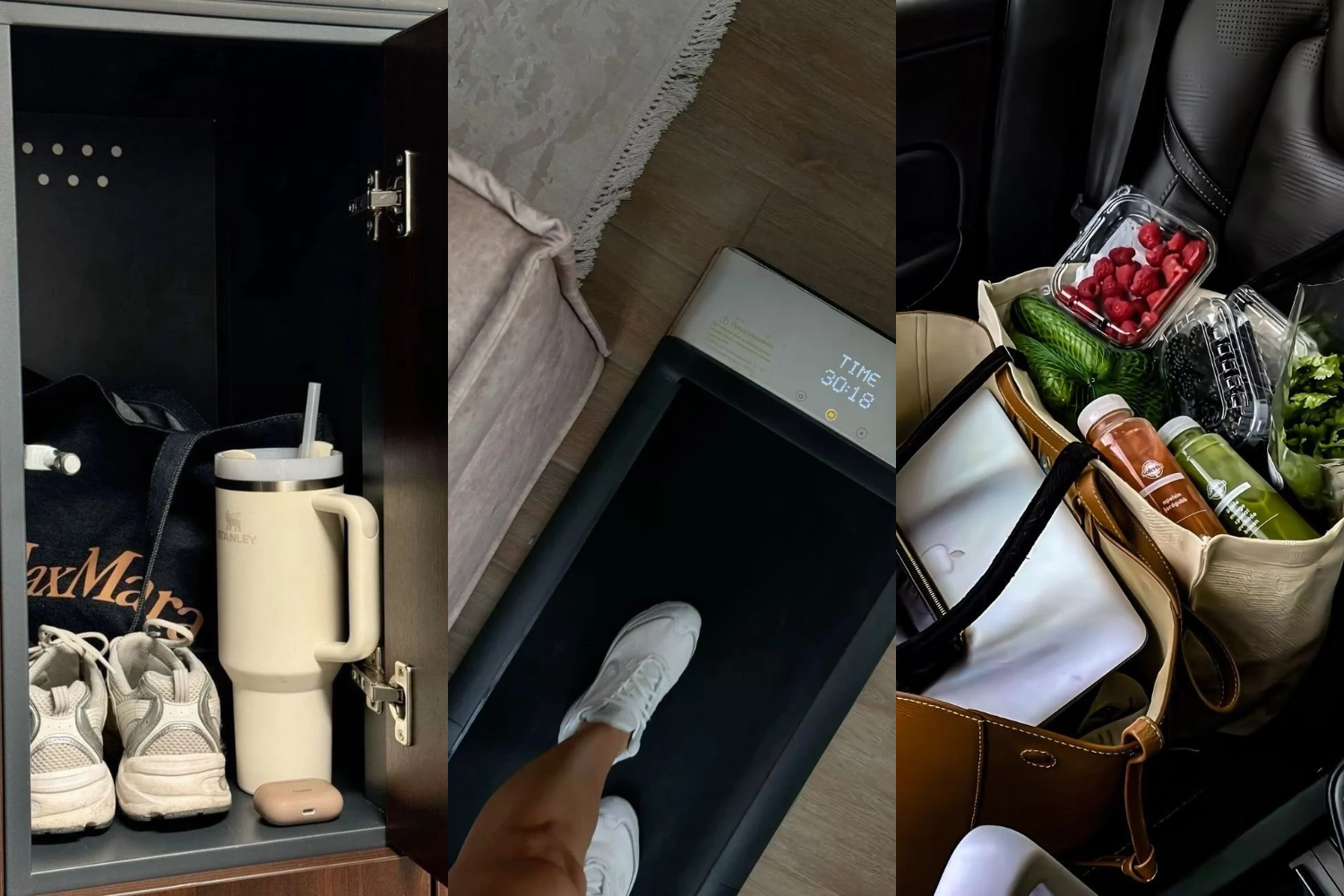
Your 10-week winter arc plan to walk into spring feeling polished, strong and like yourself, not like someone who hibernated in a hoodie.
Let’s talk about the winter uglies.
You know exactly what I mean. The sun sets at 5pm, your skin looks dull and thirsty, your hair isn’t giving what’s supposed to give, your wardrobe has quietly collapsed into “oversized sweater, again,” and somehow it’s already been three weeks since you did a proper workout. Nothing is wrong. You just feel a little less like yourself.
I’ve been there, pleanty of times actually. I think it’s a normal response of us and it all reels back to the weather: it’s cold, windy and rainy and we just wanna lay on the couch covered in a fluffy blanket watching a tv show or doom scrooling.
The good news is that this is fixable, and you don’t need a dramatic transformation. You need a winter arc.
A winter arc is a deliberate stretch of the colder months where you lock in a small set of habits (movement, skincare, style, home, routines) so you come out the other side stronger, glowier and more put-together. It’s not a punishment bootcamp, and it’s not about becoming a different person. It’s about taking care of the one you already are, consistently, when it would be so easy to let things slide.
Today is October 25th, which means there are roughly 10 weeks until January 1st (ut you can start this whenever you feel like- winter only starts in december). That’s plenty of time to do this properly without rushing. Here’s the full guide.
Disclaimer: This post contains affiliate links which means I may receive a small commission when you purchase an item through these links. There is no additional cost to you.
Table of Contents
What are the “winter uglies” (and why do they happen)
The winter uglies are the cluster of small slumps that creep in when it’s cold and dark:
- Skin: dry, dull, flaky, tight, with chapped lips and rough hands. Cold air outside and heated air inside both pull moisture from your skin.
- Hair: static, frizz, flat roots and dry ends from hats, scarves, heating and less washing.
- Energy: less daylight and less movement mean you feel sluggish and sleepy.
- Style: comfort wins and effort drops. Everything becomes “whatever is warmest.”
- Home: clutter builds up, the lighting is gloomy, and your space feels heavy.
- Routine: your good habits get replaced by the couch, snacks and scrolling.
The point of the winter arc is not to fight winter. It’s to build a routine that makes winter feel cozy and intentional instead of dull.
How to use this guide (read this first)
It’s a big guide, and you are not meant to do everything at once. That’s the fastest way to burn out by week two.
Here’s the system:
- Pick 3 non-negotiables. These are the tiny daily habits you will do no matter what (there are examples below if you need the extra help).
- Add one pillar at a time over the 10 weeks, following the plan at the bottom.
- Use the “minimum version” on bad days. A 10-minute walk beats zero. A 2-step skincare routine beats skipping it completely.
- Track it. A simple checklist on paper or in Notion is enough (there’s a full one at the end).
Examples of good non-negotiables:
- A 20-minute walk every day
- Full skincare routine morning and night
- Lights out and phone away by a set time
- A planned outfit the night before
- A 10-minute tidy every evening
Pick the ones that would make the biggest difference to you, not the ones influencer X, Y and Z would choose.
PILLAR 1: Move (energy, strength, and a body that feels good in knits)
Movement is the single biggest lever for beating the winter slump. It lifts your mood, improves your sleep, keeps your posture strong, and gives you energy when daylight doesn’t.
Your weekly movement template
Day |
What |
Time |
|---|---|---|
|
Mon |
Workout A (upper body + core) |
30–40 min |
|
Tue |
Walk + 5 min mobility |
30 min |
|
Wed |
Workout B (lower body + core) |
30–40 min |
|
Thu |
Walk |
30 min |
|
Fri |
Workout C (full body + abs, optional) |
20–30 min |
|
Sat |
Long walk or a fun activity (dance, pilates, skating) |
45–60 min |
|
Sun |
Rest + stretching |
10–15 min |
Beginner version: Do just A and B, plus daily walks.
Minimum version for bad days: 10 minutes of walking or stretching. That’s it. You still count it.
Workout A: upper body + core
Equipment: light-to-medium dumbbells, a mat. Do 3 rounds.
- Dumbbell shoulder press: 10–12 reps
- Bent-over row: 10–12 reps
- Bicep curl: 12 reps
- Tricep kickback: 12 reps
- Dead bug (core): 10 per side
- Plank: 30–45 seconds
Workout B: lower body + core
Equipment: dumbbells, a mat. Do 3 rounds.
- Goblet squat: 12 reps
- Romanian deadlift: 10–12 reps
- Reverse lunge: 10 per leg
- Glute bridge (weighted if you can): 15 reps
- Bicycle crunch: 20 total
- Side plank: 20–30 seconds per side
Workout C: full body + abs finisher (optional)
- Squat to shoulder press: 12 reps
- Renegade row (or modified on knees): 8 per side
- Reverse crunch: 12–15 reps
- Leg raises: 10–12 reps
- Russian twist: 20 total
- Hollow hold: 20–30 seconds
Progression rule: when you hit the top of the rep range on every set with good form, increase the weight slightly or add one set. Adjustable dumbbells are brilliant for this.


Walking: the underrated winter glow-up
Walking is low-stress, burns energy, clears your head and fits any schedule.
- Aim for 20–30 minutes a day. Morning daylight if you can, since it helps your body clock and mood.
- No good weather? Use a walking pad, a treadmill, or walk during calls.
- Make it enjoyable: a podcast, an audiobook, or a “winter walk playlist.”
- Stack it: walk after lunch to beat the afternoon crash.
Movement tips for dark months
- Put workout clothes out the night before.
- Schedule workouts like appointments.
- Do your hardest workout earlier in the day if evenings are your weak spot.
- Warm up with 3–5 minutes of marching on the spot or arm circles. Cold muscles hate surprises.
PILLAR 2: Skin, hair and body (the glow, not the flake)
Winter skin needs one thing above all: a healthy moisture barrier. Everything else is secondary.
Morning routine (3–5 minutes)
- Gentle cleanser (cream or milk-based, not a stripping foaming one). On busy mornings, rinsing with water is fine.
- Hydrating serum: look for hyaluronic acid, glycerin or panthenol. Apply on slightly damp skin.
- Moisturiser: swap to something richer in winter.
- SPF : yes, even in winter. UV is still there, especially on bright or snowy days.
- Lip balm.
Evening routine (5–8 minutes)
- Cleanse (double cleanse with an oil or balm if you wear makeup or SPF).
- Treatment: this is where actives like retinol, exfoliating acids or vitamin C go if you use them. Introduce one at a time and reduce frequency if your skin feels tight or irritated.
- Hydrating serum.
- Rich moisturiser or a sleeping mask.
- Lip mask.
Weekly extras
- 1x gentle exfoliation (a mild AHA or PHA, not a harsh scrub) to remove dull flakes.
- 1x hydrating or barrier-repair mask.
- 1x hair mask or deep conditioner.
- 1x body exfoliation + body oil or butter straight after showering.
Ingredients to look for in winter
- Hyaluronic acid (hydration)
- Ceramides (barrier repair)
- Squalane (lightweight, non-greasy moisture)
- Glycerin (humectant)
- Shea butter (rich body and lip care)
- Panthenol / vitamin B5 (calming)
Don’t forget the rest of you
- Hands: carry hand cream and use it after every wash. Heavy cream plus cotton gloves overnight once a week works wonders.
- Lips: exfoliate gently once a week, then balm.
- Body: moisturise within 3 minutes of showering, while skin is still damp.
- Hot showers: warm, not scorching. Heat strips natural oils.
- Nails and cuticles: cuticle oil at night.
Hair: beat the static and frizz
- Use a leave-in conditioner or hair oil on mid-lengths and ends.
- Silk or satin pillowcase reduces friction and breakage.
- Wash less, scalp-care more: if your scalp is dry, avoid overwashing and use a gentle shampoo.
- Limit heat styling and always use a heat protectant.
- Put hair in a loose silk scrunchie or braid under hats to cut down on static.
- Humidifier in your bedroom helps both skin and hair if your indoor air is dry.
[Add your favourite products here, with affiliate links if you use them.]
PILLAR 3: Fuel, hydration and sleep (the invisible glow-up)
You can have the best skincare in the world, but poor sleep and dehydration will show up on your face fast.
Eat warm, eat real
- Build meals around protein, fiber and healthy fats. It keeps energy steady and cravings calmer.
- Embrace warm foods: soups, stews, roasted veggies, curries.
- Seasonal produce: squash, root vegetables, citrus, apples, pears, leafy greens.
- Breakfast that satisfies: whether sweet or savory, aim for protein plus fiber (eggs, Greek yoghurt with nuts and fruit, porridge with seeds).
- Keep it flexible: a winter arc isn’t a diet. You’re building habits that feel good, not rules that feel strict.
Hydrate (even when you’re not thirsty)
- Cold weather dulls thirst but your body still needs water.
- Keep a water bottle on your desk, and start with a glass first thing in the morning.
- Herbal teas count: ginger, peppermint, rooibos, chamomile.
Sleep like it’s part of your routine (because it is)
- Consistent bedtime and wake-up time, within about an hour, even on weekends.
- Wind-down routine: dim lights, skincare, tea, a few pages of a book.
- Phone away 30–60 minutes before bed, or at least on night mode and out of reach.
- Cool, dark bedroom. Cozy blankets, cool air.
- Morning light: get daylight in your eyes within the first hour of waking. It helps your body clock.
A note: if you feel low, tired or “off” for weeks, it’s worth talking to your doctor. Vitamin D and seasonal mood changes are real, and professional advice is always better than guessing.
PILLAR 4: Style (dress like you’re going somewhere)
This is where we beat the hoodie slump without losing the cozy. The goal is elegant but natural: warm, textured, effortless, and intentional.
Build your winter uniform
Choose 5–7 go-to outfits you love, and rotate them. Fewer decisions means more polish.
Outfit formulas that always work:
- Knit + straight pants + loafers or boots
- Turtleneck + midi skirt + knee-high boots
- Oversized blazer + fine knit + jeans + ankle boots
- Knit dress + coat + tights + boots
- Matching knit set + long wool coat + sneakers
- Tailored pnats + silk blouse + cardigan
- Wide-leg jeans + bodysuit or fitted knit + trench or wool coat
The winter capsule checklist
Essentials
- A great wool or wool-blend coat
- 2–3 quality knits (one chunky, one fine-gauge, one turtleneck)
- 1 oversized blazer
- 2 pairs of tailored or straight pants
- 1 pair of dark jeans
- 1 midi skirt or knit dress
- Boots you can walk in (ankle and knee-high)
- A scarf you actually love
- Gloves and a hat that don’t look like an afterthought
Elevators
- A statement earring or gold hoops
- A structured bag
- A belt to define your waist over coats
- Opaque tights in black, brown or grey
- A silk scarf (for neck, hair or bag)
Colour palette
Pick 3–4 base neutrals (camel, cream, chocolate, black, grey, navy) plus 1–2 accent colours (burgundy, forest green, deep red). Everything will match, so getting dressed gets faster.
Style habits that beat the slump
- Plan outfits on Sunday for the first half of the week.
- Dress as if you’re going out even on work-from-home days. It changes your mindset.
- Keep a “cozy but polished” at-home set, like a matching loungewear set or a soft knit and good pants, so you never default to the same worn-out hoodie.
- Do a wardrobe audit: remove pilling knits, stretched-out pieces and anything that makes you feel frumpy.
- Care for your clothes: a fabric shaver, a steamer and a lint roller are small investments with a big payoff.


PILLAR 5: Home and mood (your space is part of the glow-up)
Your environment either supports your winter arc or quietly fights it.
Light is everything
- Open curtains as early as possible in the morning.
- Warm lighting after sunset: lamps, string lights, candles. Ditch the harsh overhead light if you can.
- Work near a window if possible.
The weekly declutter rotation
One zone per week, 20–30 minutes each:
- Week 1: Wardrobe and shoes
- Week 2: Bedroom (nightstand, surfaces, under the bed)
- Week 3: Bathroom and skincare shelf (toss expired products)
- Week 4: Kitchen and pantry
- Week 5: Desk and work area
- Week 6: Entryway and coats
- Week 7: Living room
- Week 8: Digital declutter (photos, inbox, apps)
- Week 9: Beauty and jewellery
- Week 10: Whole-home reset
Cozy luxuries that feel expensive
- Fresh flowers or a green plant
- A new candle or diffuser scent each month
- Clean sheets weekly
- A throw blanket you actually love
- A nice mug for your evening tea
The 10-minute evening reset
- Tidy surfaces
- Put clothes away or lay out tomorrow’s outfit
- Load or empty the dishwasher
- Check tomorrow’s plan
- Light a candle and start your wind-down
PILLAR 6: Mind and systems (what makes it stick)
Motivation is unreliable. Systems aren’t.
The Sunday planning session (20 minutes)
- Review the week that just passed (what worked, what didn’t)
- Look at your calendar for the coming week
- Schedule your workouts
- Plan 3–4 outfits
- Choose your weekly declutter zone
- Pick one thing to look forward to
Your tracker
Keep it simple: a checklist with your 3 non-negotiables and a few weekly goals. Tick it daily. Paper, Notion or a notes app all work. What matters is that you can see your streak.
The “never zero” rule
On low-energy days, do the minimum version of each habit:
- Movement: 10-minute walk
- Skincare: cleanse, moisturise, SPF or lip mask
- Tidy: 5 minutes
- Planning: write tomorrow’s top 3
You protect the habit, and the habit protects the progress.
Social and mood
- Schedule one thing to look forward to each week: a brunch, a pottery class, a cinema night, a long bath.
- See people. Winter makes it tempting to cancel plans. Don’t cancel all of them.
- Limit doom-scrolling. Try a set time limit on social apps, or keep your phone out of the bedroom.
- Journaling: 5 minutes at night, three lines: what went well, what I’m grateful for, what I’ll do tomorrow.
THE 10-WEEK WINTER ARC PLAN
Phase 1: Foundation (Weeks 1–2)
Goal: set up your systems and make it easy to start.
- Choose your 3 non-negotiables
- Set up your tracker
- Do a skincare and haircare audit and restock winter essentials
- Do the wardrobe audit and pick your winter uniform
- Start daily walks (20 minutes)
- Set a consistent bedtime
- Do your first Sunday planning session
Phase 2: Build (Weeks 3–6)
Goal: add structure and make it feel natural.
- Start Workouts A and B (2x per week)
- Add one weekly beauty ritual (hair mask, face mask, body oil)
- Follow the weekly declutter rotation
- Plan outfits every Sunday
- Add your weekly “something to look forward to”
- Add water and breakfast habits
Phase 3: Elevate (Weeks 7–10)
Goal: raise the standard and finish strong.
- Add Workout C and increase weights or reps
- Extend walks to 30 minutes or add a weekend long walk
- Do a mid-winter reset: deep clean, wardrobe refresh, routine tweaks
- Review your skincare and keep what works
- Take progress photos
- Write a short reflection: what’s changed, what you want to keep for spring
Week 10 and beyond
Don’t stop on January 1st. The winter arc is a foundation. Keep your best habits, drop what didn’t work, and carry the momentum into spring.

THE ULTIMATE WINTER ARC CHECKLIST (save this one)
Daily
- 20–30 min walk (or the 10-minute minimum)
- Morning skincare + SPF
- Evening skincare + lip mask
- Water bottle finished
- A balanced breakfast
- 10-minute evening reset
- Phone away before bed
- Consistent bedtime
Weekly
- 2–3 workouts
- 1 hair mask
- 1 gentle exfoliation (face) and body care
- Sunday planning session
- 3–4 outfits planned
- 1 declutter zone
- 1 thing to look forward to
- 1 social plan
Monthly
- Progress photos
- Skincare and routine review
- A small refresh (new candle, flowers, scarf)
- Review non-negotiables and adjust
Common winter arc mistakes (and how to avoid them)
- Starting too big. Fix: pick 3 non-negotiables and add the rest slowly.
- All-or-nothing thinking. Fix: use the “never zero” rule.
- Overdoing actives in your skincare. Fix: introduce one new active at a time and prioritise hydration.
- Ignoring sleep. Fix: treat bedtime as part of the plan, not an afterthought.
- No plan for bad weather. Fix: have an indoor backup for every outdoor habit.
- Making it purely about looks. Fix: track how you feel (energy, mood, sleep) as well as how you look.
FAQ
What is a winter arc?
A winter arc is a deliberate period during the colder months where you commit to improving habits like movement, skincare, style and routine, so you feel your best by spring.
When should I start my winter arc?
Any time is fine, but starting in late October or early November gives you about 10 weeks to build momentum before the new year.
What are the winter uglies?
It’s a playful term for the dull skin, low energy, flat hair and frumpy style that tend to creep in during the colder months.
How do I stay consistent when it’s dark and cold?
Use small, specific non-negotiables, prepare things the night before (clothes, bag, workout gear), and follow the “never zero” rule on tough days.
Do I need to spend a lot of money?
No. Walks, a simple skincare routine, decluttering and planning outfits cost almost nothing. Invest in a few key pieces (a good moisturiser, SPF, a quality coat) rather than buying everything.
Can I do a winter arc if I only have 20 minutes a day?
Yes. Pick one movement habit, a short skincare routine and a 10-minute evening reset. That alone makes a real difference.
Final thoughts
The winter arc isn’t about perfection. It’s about showing up for yourself in small, repeatable ways when it would be so easy not to. Pick your three non-negotiables, start this week, and by spring you’ll feel stronger, glowier and more like yourself.
If you want more routines like this delivered to your inbox, join my Substack, Rita’s Edit . And tell me in the comments: what’s your non-negotiable for this winter?
If you liked this post, you might also like:
- The Ultimate Monthly Reset
- The Best Sunday Reset Routine for Timeless Elegance
- The Ultimate Healthy Girl Morning Routine
FOLLOW ME:
INSTAGRAM | PINTEREST