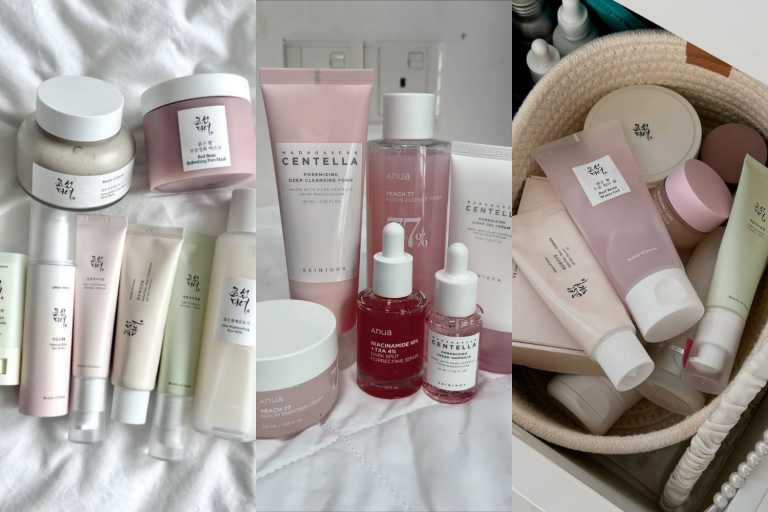

Looking for little ways to adjust your skincare routine for winter? Then keep reading this post because I’ll tell you how to do it easily.
Winter has a way of making you rethink your skincare routine. The products that worked perfectly well in September suddenly don’t seem to be doing quite enough. Your skin feels tight after cleansing, dry patches appear out of nowhere, and that healthy glow you had at the end of summer seems to have disappeared completely.
I’ve always thought that skincare should change with the seasons, just like our wardrobes do. We swap lighter fabrics for warmer knits, bring our coats back out, and make a few adjustments to feel comfortable as the weather gets colder. Our skin often needs the same kind of attention.
But before you start buying an entirely new collection of products, there’s something worth remembering: your winter skincare routine doesn’t need to be completely different from your autumn one. Sometimes, a few small changes are all it takes.
Between the cold outdoor air, indoor heating, and those showers that somehow get hotter as the temperature drops, winter can be particularly challenging for our skin. The goal isn’t to add as many products as possible. It’s to give your skin a little extra hydration, support its natural barrier, and avoid anything that might leave it feeling more irritated.
Here are seven simple ways to adjust your skincare routine for winter, including the products and ingredients worth looking for.
Disclaimer: This post contains affiliate links which means I may receive a small commission when you purchase an item through these links. There is no additional cost to you.
What Happens to Your Skin in Winter?
Before changing your routine, it helps to understand why your skin might behave differently once the temperature drops.
Cold weather itself isn’t the only culprit. The combination of low humidity outdoors, dry air from indoor heating, and frequent temperature changes can contribute to moisture loss and make your skin feel uncomfortable.
You might notice more tightness after cleansing, flaky patches around your nose or cheeks, or skin that looks a little duller than usual. If you already have sensitive skin, you might also find that it becomes more reactive during the colder months.
Hot showers can make things worse, too. Although they’re one of my favourite things about a cold winter morning, very hot water can strip away some of the oils that help protect your skin barrier.
This is why winter skincare is less about doing more and more about giving your skin what it needs.
1. Switch to a Gentler Cleanser in the Evening
If there’s one step I’d pay attention to first, it’s cleansing.
A cleanser should leave your skin feeling clean and comfortable, not tight, dry, or as though every last bit of moisture has been removed. If your usual cleanser starts feeling a little too harsh in winter, it might be time to switch to something gentler.
Cream cleansers are a good option for skin that feels dry or dehydrated, as they can cleanse without leaving that stripped feeling. A gentle oil cleanser can also work well for removing makeup and sunscreen, particularly as the first step of an evening double cleanse.
You don’t necessarily need to change your morning routine, either. If your skin feels comfortable when you wake up, rinsing with water or using a very gentle cleanser may be enough.
What to look for:
- La Roche-Posay Toleriane Hydrating Gentle Cleanser: A gentle cleansing option worth considering if your skin feels dry or sensitive.
- Embryolisse Lait-Crème Concentré: A French pharmacy favourite often used as a moisturising cream, with cleansing uses depending on the method and product guidance.
The important thing is to choose a cleanser that suits your skin, rather than changing products simply because it’s winter.
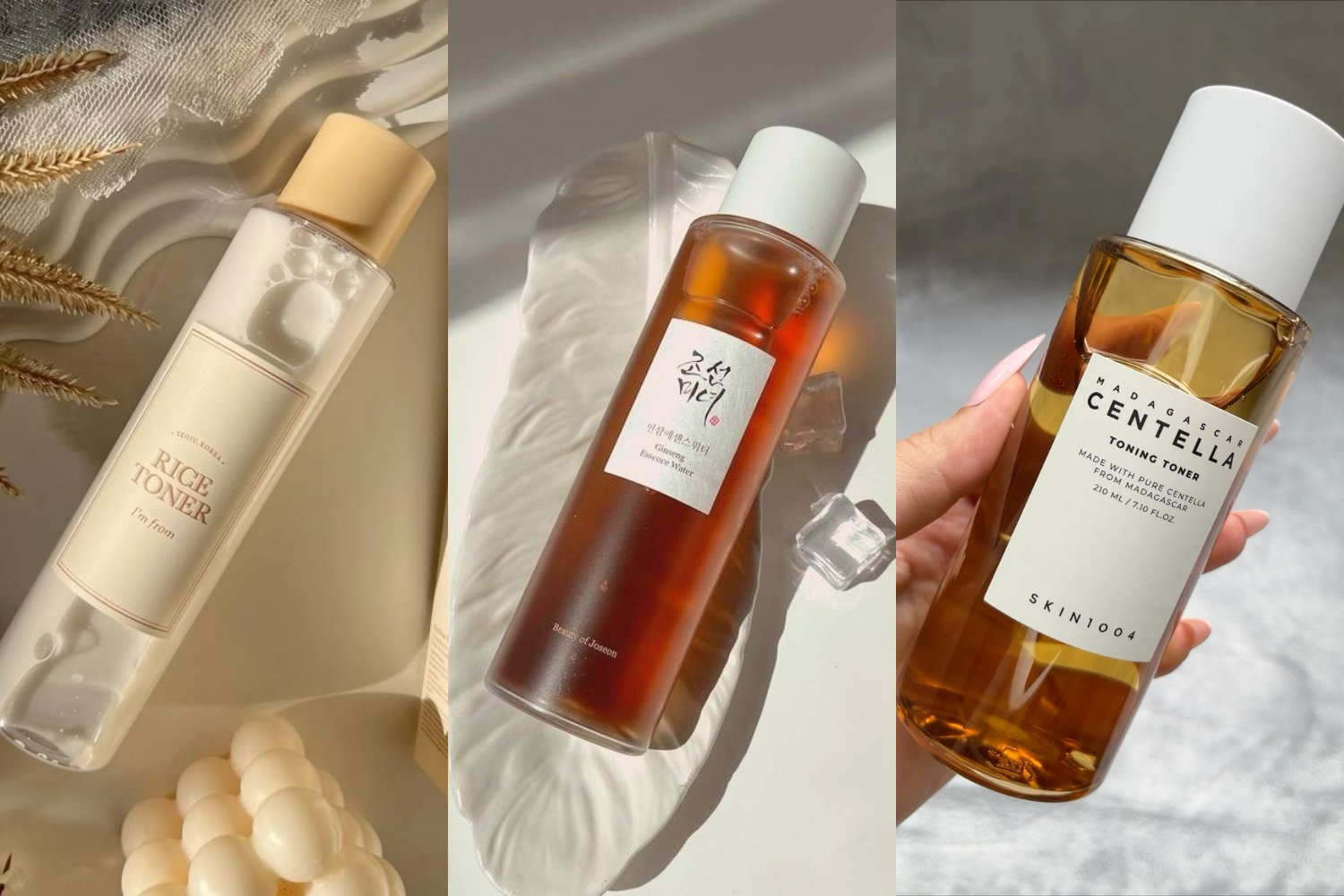
2. Add a Hydrating Toner or Essence
This is an optional step, but it can be particularly useful if your skin feels dehydrated during the colder months.
A hydrating toner or essence adds another layer of moisture between cleansing and moisturising. Look for ingredients such as glycerin, hyaluronic acid, and panthenol, which help attract or retain water in the skin.
I like the idea of keeping this step simple. Apply the product to slightly damp skin, gently pat it in, and move on to your serum or moisturiser. There’s no need for a complicated layering routine or five different hydrating products.
And remember that a toner isn’t essential for everyone. If your moisturiser already keeps your skin comfortable throughout the day, you might not need to add anything else.
What to look for:
- Hada Labo Gokujyun Lotion: A hydrating Japanese skincare favourite, particularly if you enjoy lightweight, moisture-focused products.
- COSRX Advanced Snail 96 Mucin Power Essence: Another option for adding a hydrating layer before your moisturiser.
One thing to keep in mind: humectants such as hyaluronic acid work best as part of a routine that also includes a moisturiser to help reduce moisture loss. Adding hydration is useful, but helping your skin retain it matters just as much.
3. Choose a Richer Moisturiser
If your skin starts feeling dry or tight in winter, this is probably the adjustment that will make the biggest difference.
You don’t necessarily need to replace your current moisturiser. Sometimes, applying a little more consistently is enough. But if your usual lightweight gel cream no longer keeps your skin comfortable, consider switching to a richer formula.
Ingredients such as ceramides help support the skin barrier, while emollients soften the skin and occlusive ingredients help reduce water loss.
You don’t need to memorise an entire skincare ingredient list, though. Start by looking for a moisturiser that is designed to support the skin barrier and leaves your face feeling comfortable rather than greasy or irritated.
A few options worth considering:
- CeraVe Moisturising Cream: A rich moisturiser containing ceramides, suitable for many people who experience dryness.
- First Aid Beauty Ultra Repair Cream: An option to consider if you’re looking for a richer cream for dry-feeling skin.
- La Roche-Posay Cicaplast Baume B5: Useful as a targeted balm for areas that feel particularly dry or irritated, depending on your skin’s tolerance.
- Weleda Skin Food: A rich, nourishing option that may suit very dry areas, although its fragrance and botanical ingredients might not agree with sensitive skin.
If you have oily or combination skin, don’t assume that you need the heaviest cream available. A lightweight moisturiser that supports your skin barrier may still be perfectly adequate, even in winter.
The aim is to find the richest texture that feels comfortable for your skin — not to overwhelm it.
4. Consider Adding a Face Oil at Night
Face oils tend to become more appealing when the weather gets colder. They can give your routine that final, nourishing feeling, especially when your skin is prone to dry patches.
An oil isn’t a replacement for moisturiser, however. Most face oils mainly help soften the skin and reduce moisture loss, rather than providing all the hydration your skin needs on their own.
If your skin still feels dry after moisturising, you could try applying a few drops of a suitable face oil over your cream in the evening.
You don’t need to use one every night, and you certainly don’t need one if your current routine is already working well.
What to look for:
- The Ordinary 100% Plant-Derived Squalane: A lightweight option that many people find comfortable on the skin.
- Trilogy Rosehip Oil: Worth considering if you’d like to try a plant-based facial oil.
- Marula oil: Another option for those who prefer a richer-feeling oil.
If your skin is acne-prone or easily irritated, introduce any new oil gradually and pay attention to how your skin responds.
And if you’re already using several hydrating products and a moisturiser that works well, don’t feel that you have to add another step just because it’s winter.


5. Be More Thoughtful About Active Ingredients
Winter doesn’t mean you have to stop using all your favourite skincare ingredients. However, it can be a good time to pay attention to how your skin responds to them.
Retinoids, exfoliating acids, and other active ingredients can sometimes contribute to dryness or irritation, particularly when your skin barrier is already feeling compromised.
If you use retinol or another retinoid comfortably, you may be able to continue your usual routine. But if you start experiencing persistent dryness, redness, or stinging, consider reducing the frequency or pausing until your skin feels comfortable again.
The same applies to exfoliating acids such as AHAs and BHAs. You don’t need to exfoliate more often to get rid of winter dullness. In fact, over-exfoliating can make dryness and sensitivity worse.
My approach would be to keep your routine consistent and avoid introducing several new active ingredients at once.
If you’ve been thinking about starting retinol, you don’t necessarily have to wait until spring. You can introduce it during winter, too, provided you do so gradually and follow the product instructions. If you have very sensitive skin or a persistent skin concern, getting advice from a dermatologist can help you decide what’s appropriate.
The winter rule: pay attention to your skin, rather than automatically increasing or decreasing every active ingredient.
If your skin feels comfortable, there’s no need to change something that is already working.
6. Give Your Eye Area a Little Extra Attention
The skin around your eyes is delicate, and cold weather, dry indoor air, and changes in your routine can leave it feeling uncomfortable.
If you notice dryness around your eyes, start by making sure you’re using a gentle cleanser and moisturiser. Depending on the product and your skin’s tolerance, you may be able to apply a small amount of your regular moisturiser around the orbital area, taking care to avoid getting it into your eyes.
An eye cream can be a nice addition if you enjoy using one, but it isn’t a mandatory step in a good skincare routine.
A couple of options to explore:
- Kiehl’s Creamy Eye Treatment with Avocado: A richer eye cream for those who prefer a nourishing texture.
- The INKEY List Caffeine Eye Cream: A lighter option aimed at the appearance of puffiness.
It’s also worth remembering that dryness, fine lines, and puffiness aren’t all the same concern. An eye cream might help with hydration or the appearance of puffiness, but it won’t necessarily address every change you notice around your eyes.
If a product causes stinging or irritation, stop using it and reassess your routine.
7. Don’t Forget Your Lips
If there’s one thing that reminds me winter has arrived, it’s dry lips.
Between cold winds, indoor heating, and the temptation to lick your lips when they feel dry, it’s easy for them to become uncomfortable. And once they start cracking, simply applying lip balm occasionally doesn’t always feel like enough.
My favourite approach is to make lip care part of my evening routine rather than waiting until my lips are already painfully dry.
Apply a generous layer of a simple, fragrance-free lip balm or ointment before bed. Ingredients such as petrolatum can help protect the lips and reduce moisture loss.
A few options to consider:
- Vaseline Original Petroleum Jelly: A simple, affordable option for protecting dry lips overnight.
- Carmex: A familiar lip-care option, although some formulations contain ingredients that can irritate sensitive lips.
- Laneige Lip Sleeping Mask: An alternative if you prefer a more luxurious lip-care product; check the fragrance and ingredients if your lips are sensitive.
- Drunk Elephant Lippe Balm: Another option if you prefer a dedicated lip balm.
You don’t need an expensive product to keep your lips comfortable. The most important thing is finding something that works for you and remembering to use it regularly.
My Simple Winter Skincare Routine
Now that we’ve covered the adjustments, let’s put everything together. The good news is that your routine can still be relatively simple.
Morning routine
- Cleanse gently. Rinse with water or use a gentle cleanser, depending on how your skin feels.
- Add hydration. Apply a hydrating toner or essence if you find it helpful.
- Use your serum. A hydrating serum containing ingredients such as hyaluronic acid can be a useful addition, but it isn’t essential if your moisturiser provides enough hydration.
- Moisturise. Choose a formula that keeps your skin comfortable throughout the day.
- Apply sunscreen. Finish with broad-spectrum SPF 30 or higher, ideally SPF 50 if that’s what you prefer and will use consistently.
Evening routine
- Remove sunscreen and makeup. Use an oil cleanser or balm if needed.
- Cleanse gently. Follow with a cleanser that doesn’t leave your skin feeling stripped.
- Add hydration. Use your toner, essence, or serum if these steps suit your skin.
- Apply active ingredients, if appropriate. Continue your usual routine if your skin tolerates it, or adjust if you experience irritation.
- Moisturise. Use a cream that supports your skin barrier.
- Add an optional finishing step. Apply a face oil over your moisturiser if your skin needs extra comfort.
- Finish with lip care. Apply your favourite lip balm before bed.
You can also use an eye cream if you enjoy that extra step, but don’t feel that you need to include every product mentioned in this guide.
What about exfoliation?
If your skin tolerates exfoliation well, you may be able to continue using a gentle exfoliating product according to its instructions. If your skin is dry, irritated, or particularly sensitive, reduce the frequency or pause until it settles.
You don’t need to exfoliate every week simply because it’s part of a routine. Your skin’s condition should guide that decision.

A Few Winter Skin Habits That Make a Difference
Skincare isn’t just about the products you apply to your face. A few everyday habits can also help you feel more comfortable during the colder months.
Keep your showers warm rather than very hot. I know how tempting a long, hot shower is when it’s freezing outside, but very hot water can make dry skin feel worse. You don’t need cold showers — just try turning the temperature down a little.
Consider using a humidifier. If your bedroom feels particularly dry because of indoor heating, a humidifier may help add moisture to the air. It’s not a necessity, but it can be worth considering if you regularly wake up with dry-feeling skin.
Drink water regularly. Staying hydrated supports your general health, although drinking extra water alone won’t necessarily resolve dry skin. A suitable moisturiser and a gentle routine remain important.
Keep wearing sunscreen. This one deserves repeating. UV exposure doesn’t disappear in winter, even when the sky is grey. A broad-spectrum sunscreen should remain part of your daily routine, particularly if you spend time outdoors or use active skincare ingredients.
Give new products time. If you change your cleanser, moisturiser, toner, and serum all at once, it becomes difficult to work out what’s helping and what’s causing a reaction. Introduce new products one at a time whenever possible.
Final Thoughts: Your Winter Skincare Routine Doesn’t Need to Be Complicated
I think it’s easy to fall into the trap of believing that every seasonal skin concern requires another product. A new serum for dullness, a richer cream for dryness, an eye cream for fine lines, and an oil to seal everything in.
But a good winter skincare routine doesn’t have to involve all of these things.
Start by looking at what your skin is actually telling you. If your face feels tight after cleansing, consider a gentler cleanser. If your moisturiser isn’t keeping your skin comfortable, try a richer formula. If your skin is becoming irritated, take a step back from potentially aggravating products.
You can build from there, adding an extra layer of hydration or a face oil if you genuinely feel you need it.
And remember that you don’t have to use the same routine as someone with completely different skin. What works beautifully for dry skin might feel too heavy on oily skin, and a product that suits one person’s sensitive skin might not suit yours.
For me, the best approach to winter skincare is the same approach I try to take with most things: keep the basics that work, make small adjustments when necessary, and don’t complicate something that doesn’t need to be complicated.
Sometimes, that’s all your skin needs.
If you liked this p0st, you might also like:
- Cheap Korean Skincare Products You’ll Love
- How to Layer Your Skincare (So Your Skin Actually Glows)
- How to Create a Beauty Maintenance Routine That Actually Works for You
FOLLOW ME:
INSTAGRAM | PINTEREST