
Disclaimer: This is a guest post
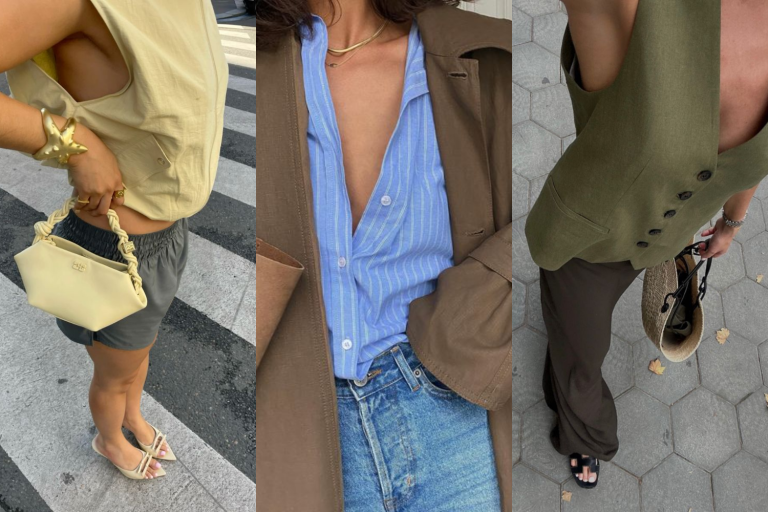
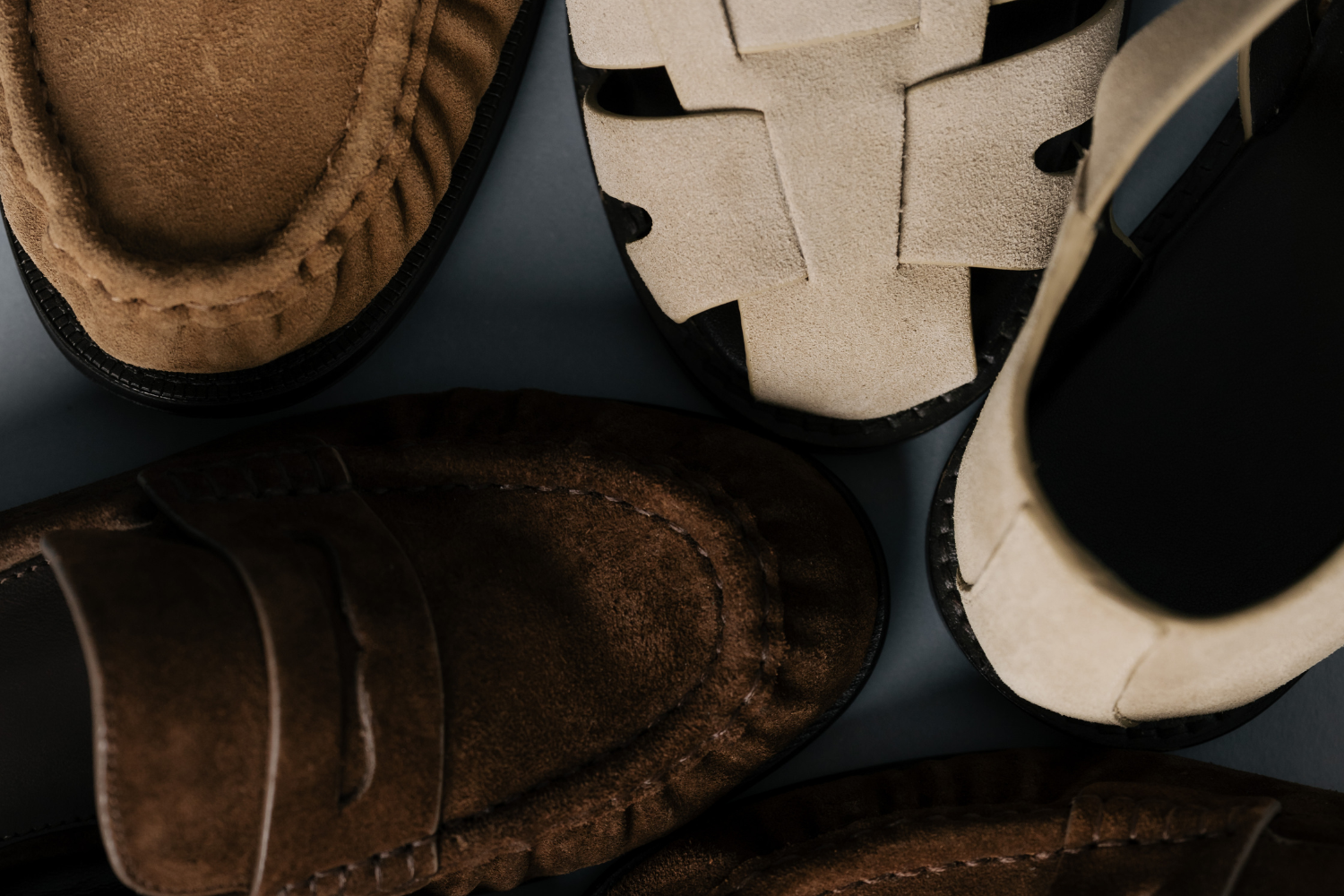
You’ve chosen the trousers and found a top you like with them. Then the shoes change the proportions, the bag feels too bulky, and getting dressed takes longer than expected.
A bag and shoe capsule wardrobe gives you a few familiar combinations to work with. The idea is to choose accessories that suit the clothes you wear most, so you can finish an outfit with fewer last-minute changes.
Two bags and three pairs of shoes make a useful starting point for the example below. You might need fewer, or a different mix altogether. Begin with what’s already in your wardrobe and leave room for your own routine.
1. Give your two bags different jobs
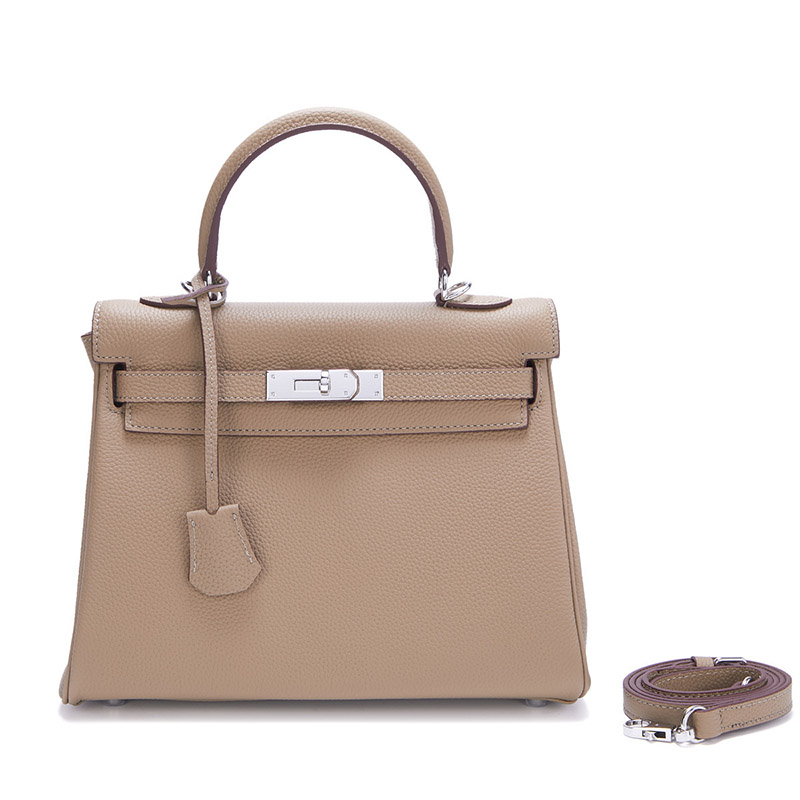
Start with an everyday bag that comfortably holds the things you carry. That might be a shoulder bag for your phone, glasses and notebook, or a crossbody if you prefer to keep your hands free. If your weekday essentials include a laptop, make that part of the brief from the beginning.
The second bag can be smaller and a little dressier: something you’d take to lunch, dinner or a celebration when you’re carrying less. A compact top-handle or shoulder shape is a practical place to start.
When putting together a shortlist from DOKIBAGS, keep those two roles in mind. Compare how each bag would fit into your week. Two similar bags in different colors might be lovely, but a roomy everyday option and a smaller evening option give this particular capsule more range.
They can share a color if that suits your clothes. A soft black shoulder bag and a small black bag with a defined shape will still look quite different. Or try a dark everyday bag with a burgundy compact bag for a little variety.

2. Choose shoes around three kinds of days
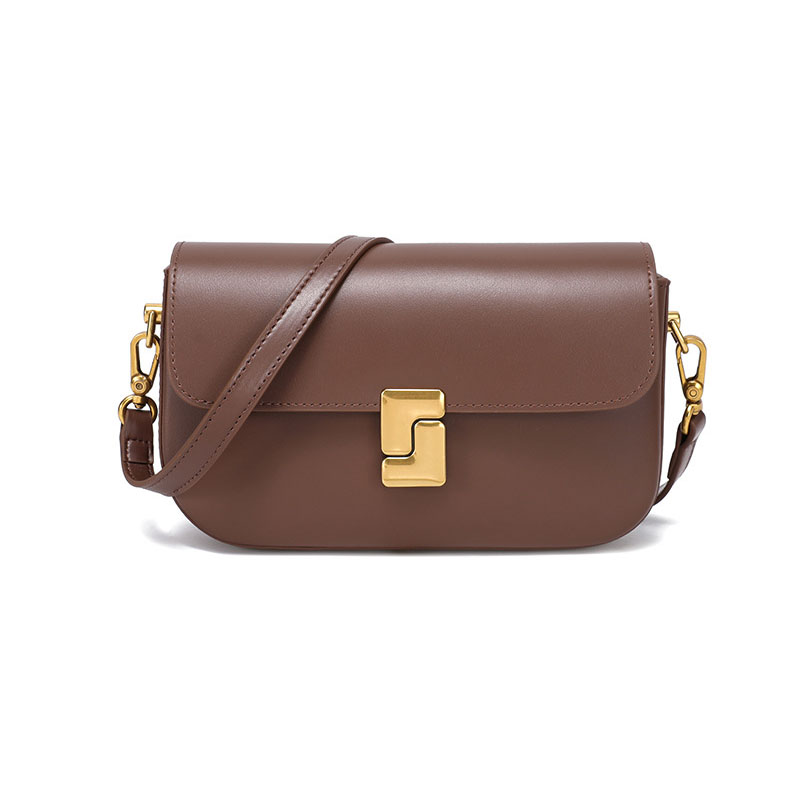
For this capsule, think in terms of an everyday flat, a boot and a dressier pair. The exact styles depend on what you enjoy wearing and where you spend your time.
An everyday flat might be a loafer, a ballet flat or a Mary Jane. Try it with your most-worn trouser length and a skirt before giving it a place in the capsule. A shoe can be easy to style with one favorite outfit and less useful with the rest of your wardrobe.
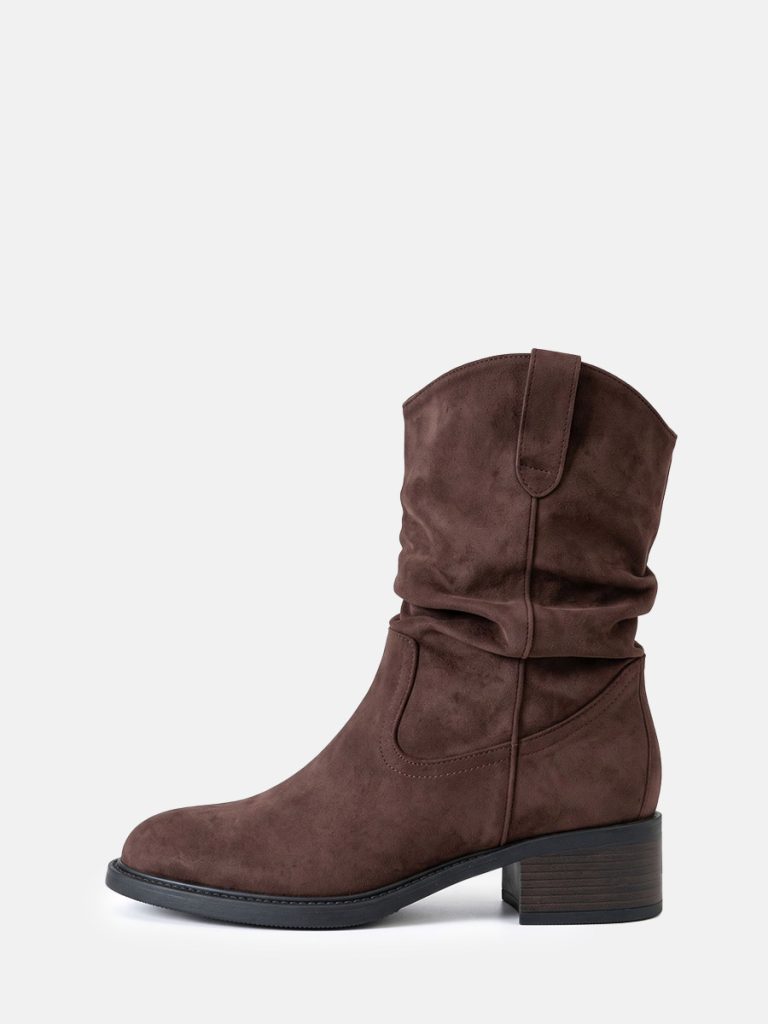
For the boot, choose a shape that works with your usual layers. An ankle boot is one option if you often wear trousers. If dresses and skirts fill more of your week, a taller boot may be more useful. Consider the weather you’ll actually wear it in, and check the product details for the features you need.
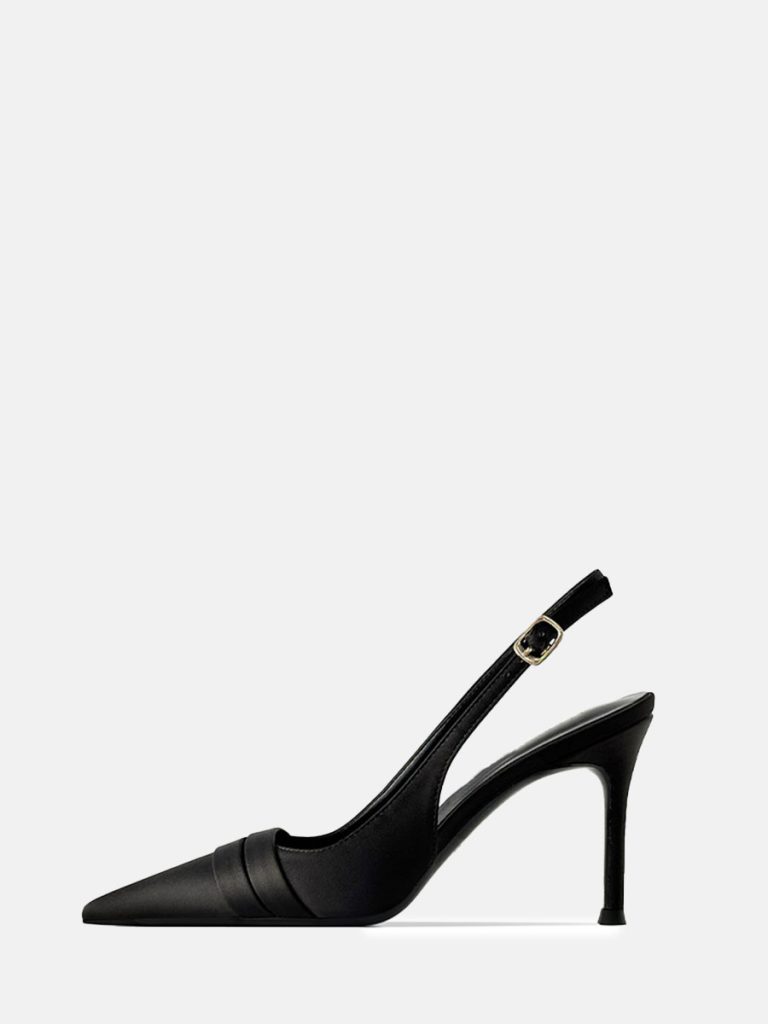
The dressier pair could be a slingback or a simple pump. An embellished flat can fill the same role if you prefer flat shoes for evenings.
Use those roles to guide your browsing at ROSATINA. You’ll have a clearer way to compare the shoes that catch your eye: which pair belongs with the clothes you already wear, and which kind of day would you reach for it?

3. Build a palette from your clothes
Look at the trousers, skirts and outerwear you wear regularly. Let those pieces guide the accessory colors.
If your wardrobe includes plenty of black, gray and white, black shoes and a black everyday bag give you an easy base. A burgundy evening bag or a pair of cream flats can introduce a different color when you want one.
If you mostly wear denim, beige, olive and ivory, dark brown may be a useful starting point. Try it beside your favorite coat and jeans to see whether you like the combination.
You can mix black and brown, too. Black trousers and loafers with a brown shoulder bag make a simple outfit; an oatmeal cardigan adds another warm tone. There’s no need to buy an exact bag-and-shoe match for every color.
Keep the palette small enough that you can remember the combinations you like. That familiarity is what makes the capsule useful on a busy morning.
4. Try the capsule with four ordinary outfits
Pull out a few clothes and try the accessories with them. These combinations show how the same pieces can move between different plans.
A relaxed workday
Black tailored trousers, a white T-shirt and a tobacco-brown cardigan work with your everyday flats and the everyday bag. If you prefer a more formal top, swap the T-shirt for a shirt. Keep the accessories the same and check how the trouser hem sits over the shoes.
A weekend afternoon
Try ivory jeans, a striped top and an olive jacket with ankle boots and the everyday bag. Adjust the strap while wearing the jacket so the bag sits where you want it. This is also a useful test of whether your everyday bag works with your casual clothes.
Lunch somewhere nice
A navy midi skirt, a light knit and your everyday flats make an easy starting point. Add the smaller bag. The skirt and compact bag give the shoes a different setting from the workday outfit.
Dinner plans
Bring back the black tailored trousers, this time with a soft pink blouse, the dressier shoes and the smaller bag. Reusing the trousers helps you see how much the accessories change the outfit. If you prefer dresses, try the same bag and shoes with a simple dress you already own.
5. Keep a detail you enjoy
A small capsule can still have personality. Perhaps your everyday flat has a buckle, your smaller bag has a softly gathered shape, or your boots are a deep red-brown you love wearing with denim.
Choose a detail you’re happy to see often. It will appear across several outfits, so it helps if it feels like part of your style.
Texture is another way to add variety within a small palette. A smooth shoe beside a textured bag can make a simple combination more interesting. Try the pieces together before deciding you need another color.
6. Leave space for the wardrobe to change
Wear the combinations through a few normal days. Notice what you reach for and what keeps causing a problem. Maybe the everyday bag is exactly right for weekdays but too large for a quick walk. Perhaps you keep choosing flats for dinner and rarely use the heels.
That information helps you adjust the capsule. You might replace a role, add something for a genuine gap, or realize that fewer pieces are enough.
Keep the combinations that make getting dressed feel easy. When your plans or the season changes, start with those familiar pieces and see what needs to change with them.